Why Did Ford Fusion Fail In India?
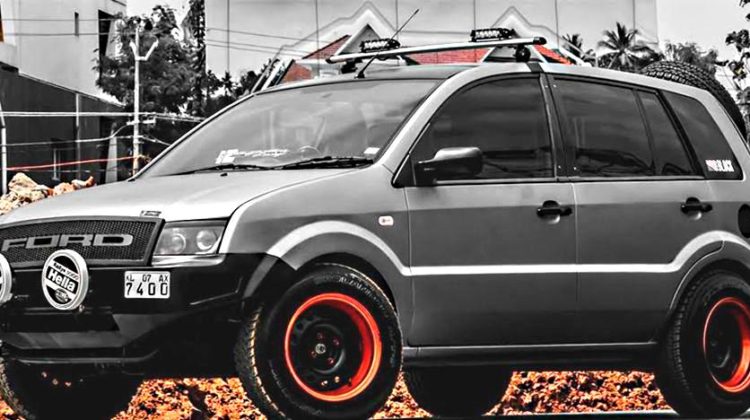
Ford Fusion – India’s First Compact SUV
First-mover advantage can be a blessing or a curse. Why curse you ask? Mostly because the target consumer is not ready for it. Indian market is booming with the rise of compact SUVs currently. However, Ford Fusion started this trend 13 years ago. The crossover did wonders in the European market and entered the Indian market with the same vision. But even after 6 years from launch, it failed to make a mark. So, why did Ford Fusion fail in India?
Expensive price tag – Why Did Ford Fusion Fail?
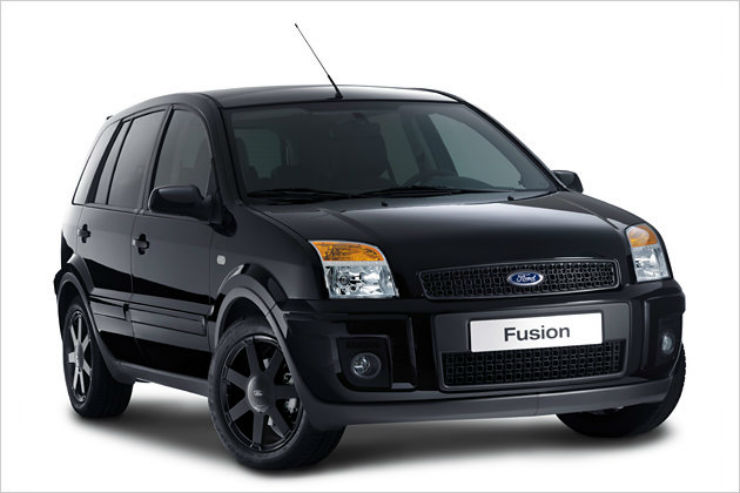
Ford launched the Fusion at Rs.6.04 lakh for the petrol variant and Rs. 6.98 lakh for the diesel variant. This price tag doesn’t seem odd right now. But, at that time a lot of other cars were available in this price bracket. Major players like Maruti launched practical and fuel-efficient cars such as the Swift and Esteem. Hyundai launched its sedan Accent and even Ford Ikon was available at the same cost. These cars had already got the market share of the target customer looking to invest this kind of money in a car.
Below-par after-sales service – Why Did Ford Fusion Fail?
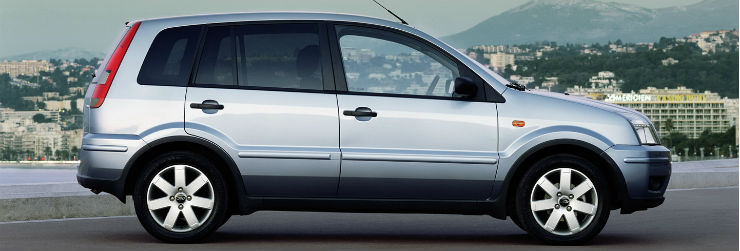
The time when this car was launched, the dot com era was still booming, hence customers were more inclined to go for cars with the guarantee of quality after-sales service within their vicinity. Ford was fairly new in the market, and hence the trust factor played against its odds. To add to it, the service centres were still in the expansion phase, thus making it rare. The spare parts were also relatively expensive than the competitors.
A powerful engine with low mileage
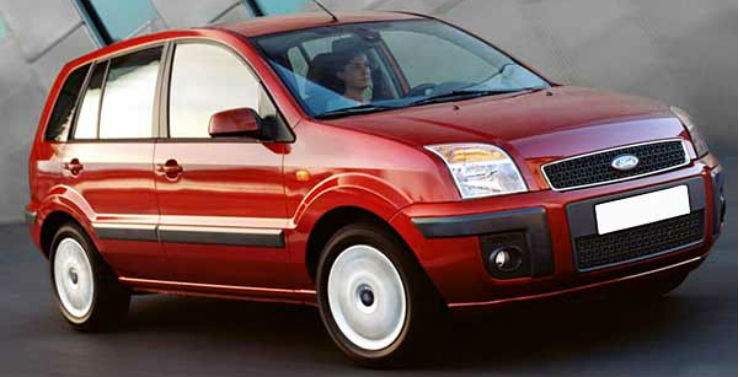
Fusion came at a time when the middle class in India was emerging strongly. These customers were prone to buy value for money products. If they had the budget to buy a car for about Rs.6.5 lakhs, they wanted maximum return in the form of good mileage as a return. The Fusion failed to perform on these lines against its competitors. The 1.6-litre Duratec petrol engine could produce a maximum of 100 Bhp and 143 Nm of peak torque. The 16 valve engine could deliver on its best day at 10km/l. The diesel engine was a 1.4 litre Duratorq, that produced 67 Bhp and 157 Nm and gave a mileage of 17km/l. Both the variants were not up to the mark in this factor.
A big hatchback feeling
Like we’ve read before, the timing of the launch of the car went against its popularity and sales. The car came with 15-inch wheels, and a significantly huge front profile but failed to grab the attention of the buyers, cause it just looked like an inflated hatchback. Ford did change the image, years later with the launch of the EcoSport, which did fairly well with the Indian customers.
Marketing not right
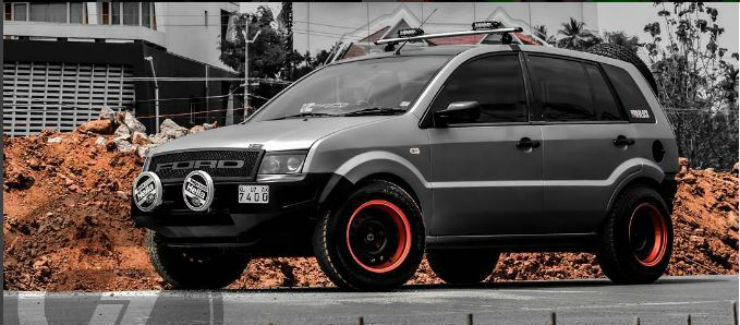
The Fusion came into the Indian market when the majority of the car buyer’s topmost priority would buying a car that is value for money. They wanted maximum features for the price they were paying. Fusion had all the features that the customers wanted including ABS, collapsible steering column, engine immobilizer, crumple zone and much more. The Swift, which was launched the following year, also came with many features but highlighted how it was one of the safest cars to drive, therefore creating an edge in the market. Even though the Fusion could have done this, they couldn’t market the product according to the taste and requirements of the Indian consumers. It was publicized as a “no-nonsense car”.
Want to see your photo feature about that exciting road trip published on RC Motor? Share your details here