Banned Bikes in India: Full Story
List of Banned Bikes in India
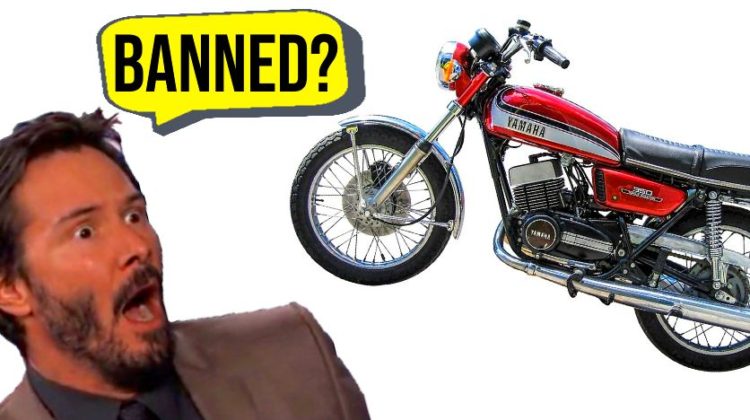
Automobiles have a come a long way and even the Indian automobile market has developed in all these years to offer the current models. In the past, when the communication was not as streamlined as today due to the absence of social media platforms and messaging applications, rumours used to spread fast and quick! Even a few legendary motorcycles in the Indian market suffered from these “rumours” spread due to the misinformation. Have you ever heard that the legendary Yamaha RD350 got banned from India because it used to kill people? Well, if you’re born in the 90s or before that, you must have! Here are a few such facts and the real stories behind these banned bikes in India.
Yamaha RD350 – Banned Bikes in India
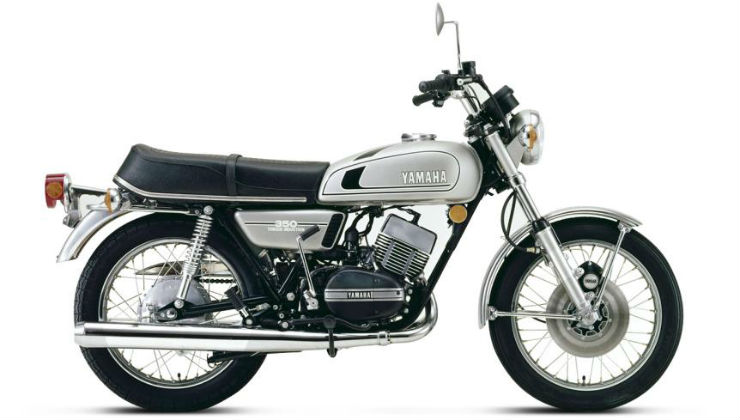
Yamaha launched the legendary RD350 in India in 1983, which became the sole performance bike in the market. Competing with the Bullet 350, Yezdi 250 and Rajdoot 175, the RD350 gained popularity in a blink in the market. Yamaha RD350s Indian version was de-tuned compared to the 40 Bhp producing Japanese-spec bikes. Still, they were extremely powerful for the Indians.
The RD350 was available in two versions. The High Torque(HT) version producing a maximum of 31 Bhp and 27 Bhp in the Low Torque (LT) version. The RD350 was the quickest and fastest motorcycles in its time and could reach a top speed of 160 km/h in the 6th gear! The motorcycle could hit the 100 km/h mark in about 7-8 seconds only!
RD comes from Racing Death due to its high performance, . Since, Yamaha did not offer disc brakes in the Indian versions of the bike, the riders could not bring it under control easily causing many accidents. Many people believe that RD350s ban in India was due to its extreme speed. But, the truth is that the bike did not become as popular in India due to the dismal fuel efficiency and of course, the high-performance engine and its price. The poor sales of the bike killed it in the Indian market, not its performance.
TVS Suzuki Shogun – Banned Bikes in India
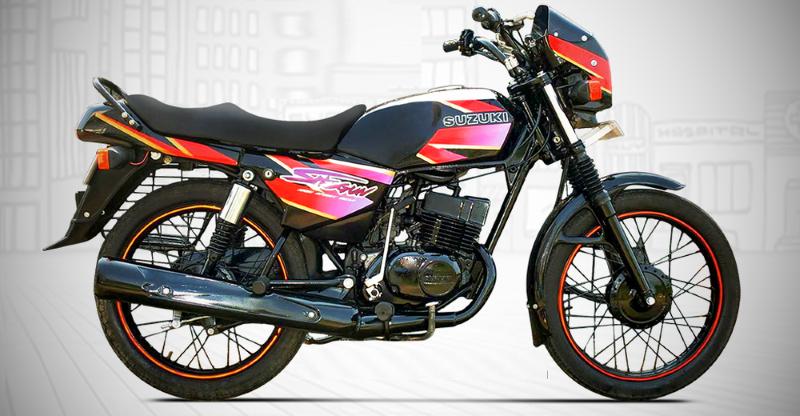
TVS-Suzuki joint venture in India gave us a lot of exciting bikes. To counter the bikes like RX-100, the JV got the AX100 and then came the Supra. TVS-Suzuki launched the Shogun, which literally translates into “The Boss”. It boasted a puny 108.2cc, two-stroke engine.While developing 14 Bhp, it was a hoot to drive. The exhaust note at 8,500 rpm raised hair on the arms. The Shogun was feather-light with 105 kg weight and could reach about 120 km/h and more than that with lighter riders! It was a proper performance bike but was difficult to handle. People assumed that the Shogun discontinued from the market because it was too difficult to control. However, the root cause was its poor sales and the popularity of the RX100. Due to which forced the bike to go off the market in 2013.
Bajaj Pulsar first-generation
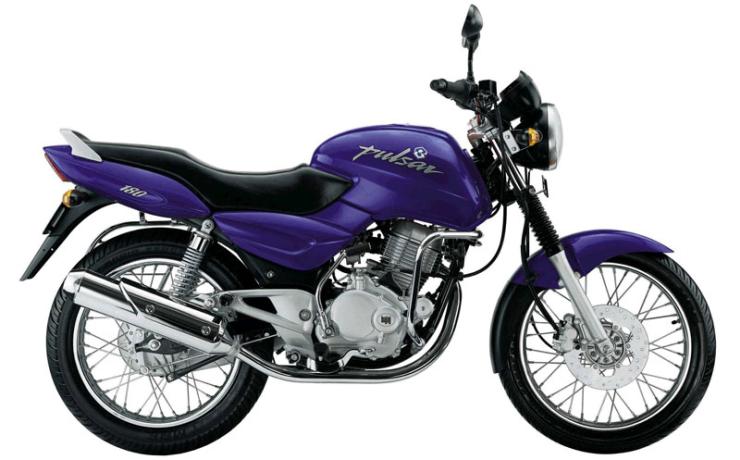
Bajaj Pulsar’s introduction came at a time when the mass-segment motorcycles were high in demand. Also, the winning combination of Hero Honda was selling bikes like hotcakes. Bajaj Pulsar came in two forms – 150 and 180 after the introduction of the CBZ in the Indian market in 1999. With a massive 18-litre fuel tank, the Pulsar duo created an own identity, especially with their muscular look and the round headlamp. The first-generation Pulsar was in the market for 18 months. Bajaj had to reduce the vendors to keep a check on quality control. In just 18 months, Bajaj launched the updated DTS-i version of the bike with a reduced fuel tank capacity. Many thought that Bajaj reduced the fuel tank capacity because it became too bulky. Well, it was only a planned update, nothing much more.
Hero Honda Karizma
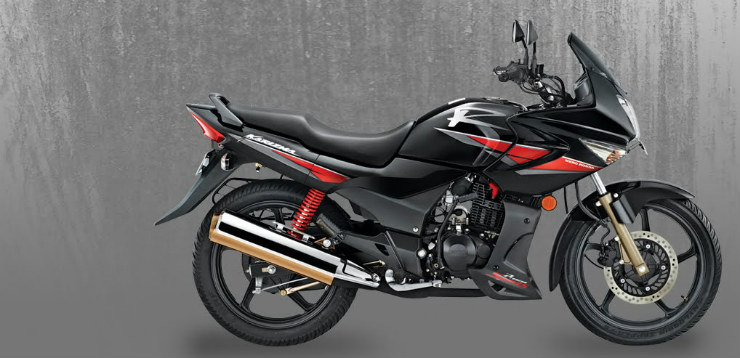
The most powerful motorcycle from Hero Honda, the Karizma became a cult bike in its time. The high capacity engine, the semi-fairing and the digital fuel meter, odometer and trip meter made it “above all” in the market. The Karizma was considered as one of the best performance bikes in its time by many. It was sold as a performance bike and many believed that it was too difficult to control. The Karizma was re-launched after Hero and Honda got separated and started working on their own. But the myths about the first-generation Karizma being a “killer” bike still remains.
Want to see your photo feature about that exciting road trip published on RC Motor? Share your details here